
Knee and Leg Pain in Redondo Beach, CA
Conservative care for knees and legs that hurt.
Knee and Leg Pain at Kaden Chiropractic & Wellness
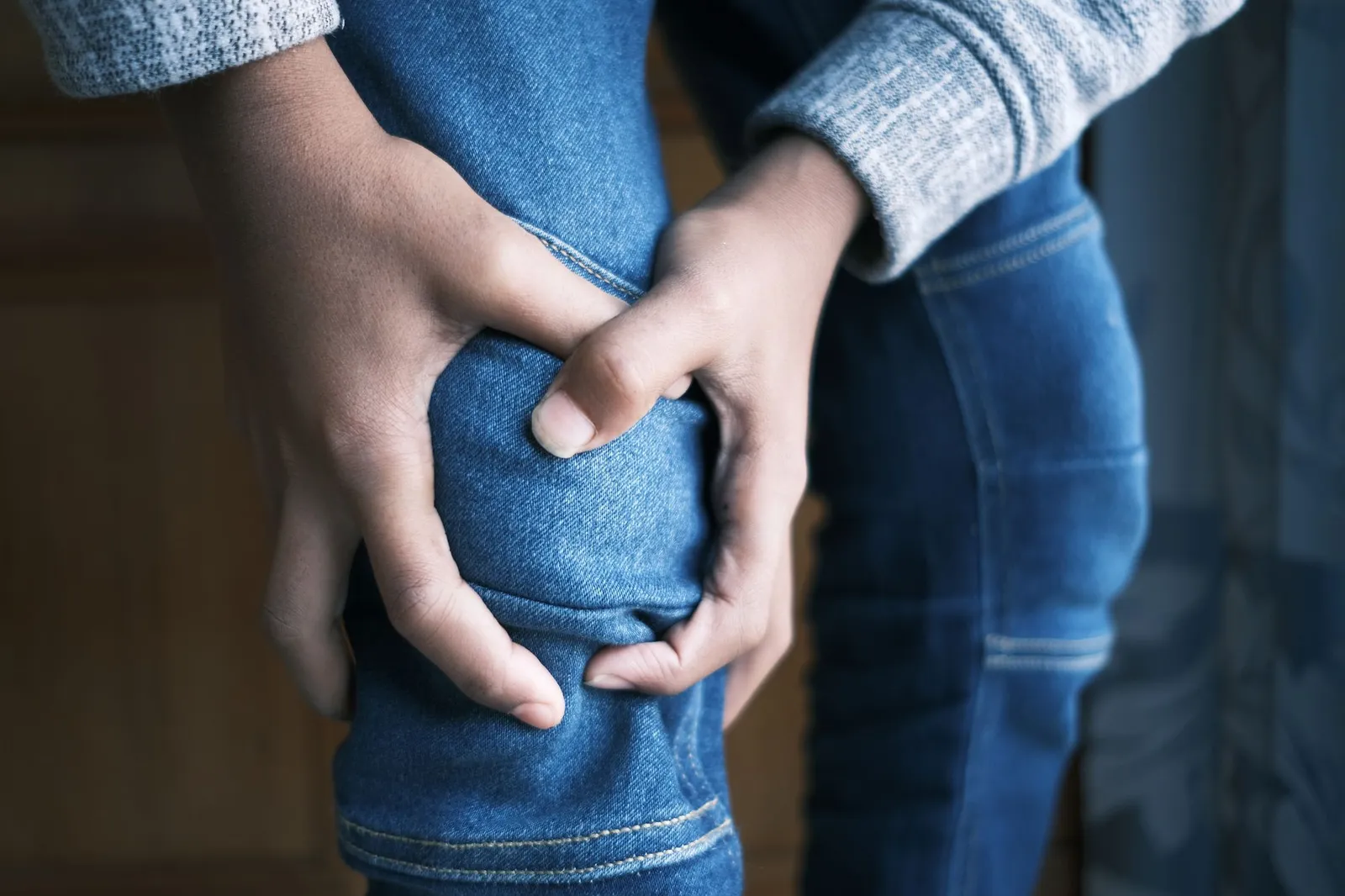
Knee and leg pain can make every step a negotiation. The source might be the knee itself, as with osteoarthritis, or it might be an irritated nerve in your lower back, a hip that is not moving well, or a sports injury. Finding out which is the first priority.
Dr. Kaden examines your knee, your leg, and your spine together. Many people do well with natural, conservative care that can include chiropractic adjustments and exercise therapy, and healthy weight management can also ease the load on your knees. He will tell you plainly if another kind of care seems appropriate.
At a Glance
- Conservative care for knee pain and leg discomfort
- Evaluation of the hips, ankles and feet that affect the knee
- Checks for back problems that refer pain into the leg
- Exercise and weight guidance to ease knee strain
- Referral to a specialist when imaging or surgery is needed
- 01
Source Identified
Leg pain can begin in the knee, hip, or lower back. A thorough examination helps determine where your pain is actually coming from.
- 02
Conservative First
Natural approaches such as adjustments and exercise therapy give many people a reasonable option to try before considering more invasive treatment.
- 03
Nerve-Related Pain
When leg pain is linked to the sciatic nerve, care directed at the spine may help ease the irritation behind it.
- 04
Active Recovery
Exercise guidance and healthy habits are part of the conversation, supporting your knees and legs between visits.
Every year, around 100,000 Americans have surgery to relieve knee pain. But studies suggest that many people can avoid surgery through natural, conservative treatments.Chiropractic adjustments, exercise therapy, and weight loss have all been shown to reduce symptoms of knee pain in patients osteoarthritis.
Chiropractic can also ease leg pain associated with sciatic nerve damage and sports injuries.
Your visit, step by step
- 1
Talk About the Pain
Dr. Kaden asks where it hurts, when it started, and what activities affect it, and reviews your history, exercise habits, and work.
- 2
Examine Leg and Spine
He examines your knee, leg, and spine, and may request X-rays or an MRI when imaging would help clarify what is happening.
- 3
Recommend a Plan
He explains where the pain is coming from and recommends conservative care aimed at the origin, or a referral if that is the better route.
Why Knee and Leg Pain Is Often About More Than the Knee
The knee sits between the hip and the ankle, so it often takes the strain when either one is not working well. Weak hip muscles can let the knee drift inward with each step, and flat feet or a stiff ankle can change how force travels up the leg. Leg pain can also come from the low back, when an irritated nerve sends pain, numbness or tingling down the thigh and calf. That is why a careful exam looks at the whole lower body and spine, not just the spot that hurts. Finding where the stress is coming from makes it easier to choose care that has a real chance of helping.
Many people with knee pain worry that surgery is the only answer. For a lot of common problems, including many cases of osteoarthritis, research supports trying conservative care first, such as exercise, weight management and hands-on treatment. Dr. Kaden uses adjustments for the knee, hip, ankle and spine where appropriate, along with exercise guidance to help strengthen the muscles that protect your joints. The goal is to help you walk, climb stairs and stay active with less pain. If your exam suggests a torn ligament or another injury that needs imaging or a surgical opinion, he will tell you and refer you.
Daily Habits That Take Pressure Off Your Knees
Small changes can make a real difference for sore knees. Every extra pound of body weight adds several pounds of force to the knee joints when you walk, so even modest weight loss may ease symptoms for many people. Supportive shoes, avoiding deep squats or kneeling on hard surfaces while the knee is irritated, and using handrails on stairs can reduce strain. Low-impact exercise like cycling, swimming or walking on level ground keeps the joint moving without pounding it. Over a course of care, Dr. Kaden will usually add strengthening work for the thighs and hips as pain allows, since strong muscles help absorb load.
Some leg symptoms need a medical doctor right away. Seek urgent care for a calf that is swollen, warm, red or tender, especially after a long flight, surgery or a period of inactivity, since this can signal a blood clot. A knee that is hot and swollen with fever, a leg you cannot put weight on after an injury, or sudden weakness or numbness in a leg also need prompt evaluation. Leg pain with loss of bladder or bowel control is an emergency. Once these possibilities have been ruled out, chiropractic care can be considered as part of your recovery.
Terms you may hear
- Patellofemoral Pain
- Pain around or behind the kneecap, often worse with stairs, squatting or sitting for long periods. It is common in runners and is frequently linked to hip strength and alignment.
- Referred Pain
- Pain felt in one area of the body that actually comes from another. Low back problems, for example, can cause pain that is felt in the buttock, thigh or calf.
- Conservative Care
- Treatment that avoids surgery and medication when possible, such as hands-on care, exercise, weight management and activity changes. It is often recommended as a first step for many joint problems.
An approach built on causes
Finding the origin
The practice seeks the origin of a problem in order to eliminate it, and does not simply treat the symptoms.
Trained across disciplines
Dr. Kaden has extensive postgraduate hours and certifications in disciplines including Diversified, Applied Kinesiology, Functional Medicine and The Zone Technique.
The whole picture
A consultation reviews your case history, a physical examination, and how you eat, move, work and handle stress.
Common questions
Yes. Nerves that supply your legs exit the lower spine, and irritation there can send pain, tingling, or numbness down the leg. Sciatica is a common example. This is one reason a chiropractor examines your spine when you come in with leg pain.
For some people, chiropractic adjustments combined with exercise therapy can help reduce symptoms of knee pain, including pain related to osteoarthritis. It depends on the cause. An examination helps determine whether conservative care is a good fit or whether another approach is needed.
It can. Your knees carry your body weight with every step, so extra weight increases the load on the joint. For people with knee osteoarthritis, weight loss has been associated with reduced symptoms. Diet and activity are part of the lifestyle discussion during a consultation.
Call (310) 251-0862 or request an appointment online. Dr. Kaden will review your history, examine your knee, leg, and spine, and explain what he believes is causing the pain and what he recommends.
It depends on the cause and how severe the pain is. Mild discomfort that fades as you warm up may be manageable with changes to your distance, pace or running surface. Pain that gets worse during a run, causes limping, or comes with swelling is a sign to stop and get it checked. Dr. Kaden can look at your knee, hips and feet and help you plan a safe return to running.